In the world of locks and keys, most of us take the key duplication process for granted. It’s a service utilized in times of need, yet there’s a fascinating world behind it that remains largely unexplored by the average person. Today, we’re unlocking the door to reveal five intriguing aspects of key duplication that you probably didn’t know.
1. The Precision of Key Cutting Machines
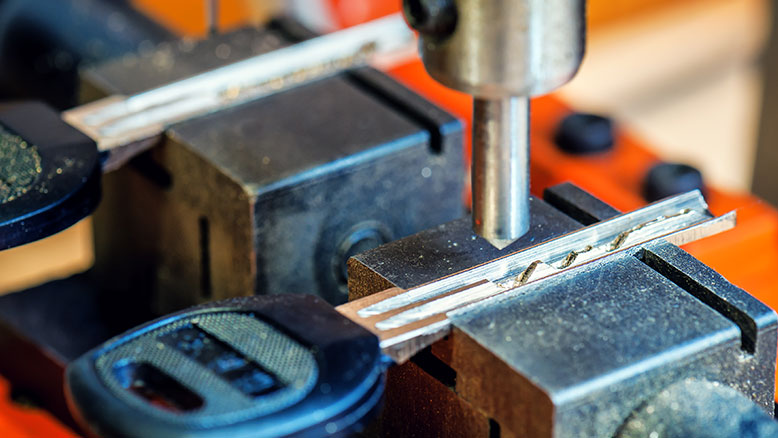
Key duplication is an art that requires precision and skill and is heavily reliant on the technology of key-cutting machines. These machines vary from simple manual duplicators to advanced models that use laser-cutting technology for intricate designs. What makes this process so fascinating is the level of accuracy required; even a minor deviation of less than a millimeter can result in a key that doesn’t work. High-end machines ensure that each cut is precise, perfectly mirroring the original key’s dimensions and grooves, ensuring a flawless operation with the lock.
2. Not All Keys Can Be Duplicated Easily
While most keys can be duplicated without much hassle, certain types, such as patented keys or keys marked “Do Not Duplicate,” add a layer of complexity. These keys often come with legal protections or require special equipment and authorization for duplication. This system is in place to enhance security, preventing unauthorized copies and ensuring that only the key owner or authorized individuals can have copies made.
3. The Role of Digital Key Duplication
The digital age has transformed key duplication. Some modern services allow for keys to be duplicated using digital scans. This means that certain companies can create a duplicate without needing the physical key if you have a digital image of your key. This advancement offers convenience and a new layer of service where the physical presence of a locksmith is not always necessary.
4. The Historical Significance of Key Duplication
Key duplication might seem like a modern convenience, but it has historical roots dating back to ancient civilizations. The Romans, known for their innovations, were among the first to create simple lock and key systems. Creating a duplicate key for these locks was also practiced, signifying the long-standing importance of access control and security in human settlements.
5. Environmental Impact and Recycling
In the conversation about environmental responsibility, key duplication plays a small yet noteworthy role. Metal keys are recyclable, and with millions of keys made and discarded annually, recycling old keys can significantly reduce waste. Some locksmiths and key duplication services actively participate in recycling programs, encouraging customers to bring in old keys for recycling, thus promoting a more sustainable approach to key duplication.
Conclusion
Key duplication, a service that seems straightforward, is layered with complexity, history, and technological advancements. Next time you need a duplicate key, remember that you’re not just getting a copy; you’re tapping into a rich tradition that combines craftsmanship, security, and innovation.